
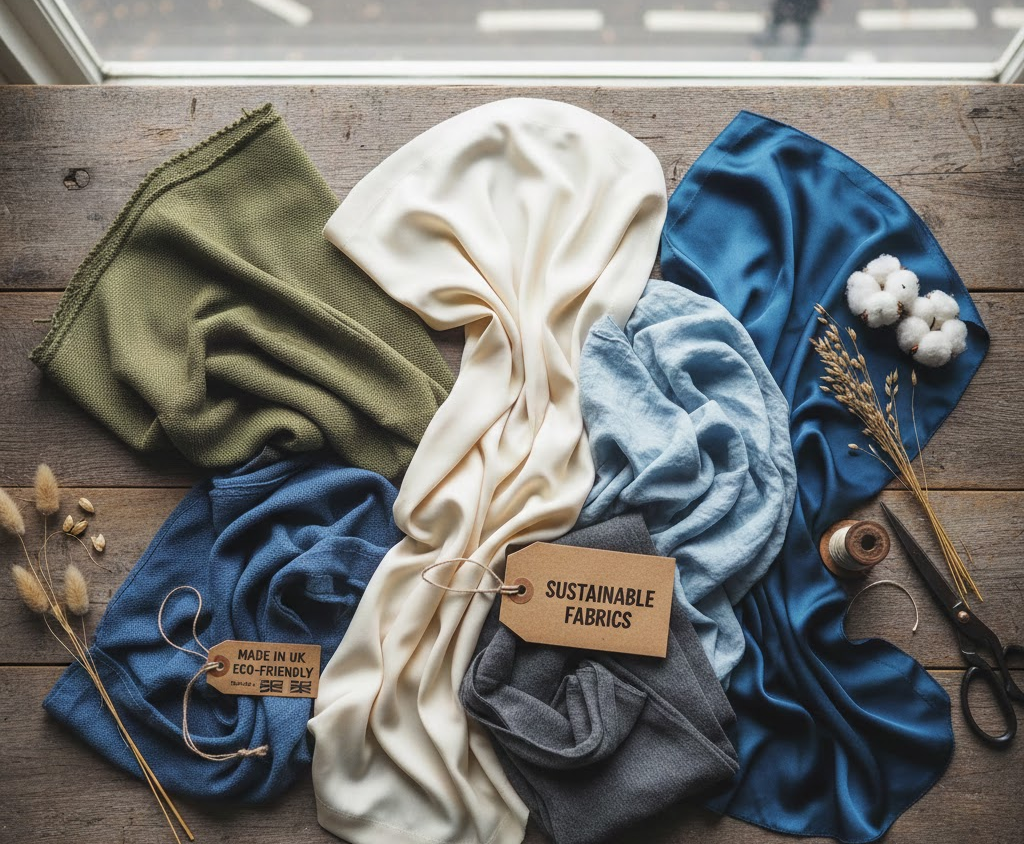
Top 5 Sustainable Fabrics for Clothes
-When you look at your wardrobe, it is easy to focus on the silhouette or colour of your clothes.
However, the real value of clothing lies in the materials used to make it. As the global fashion industry shifts toward transparency, choosing the proper sustainable fabrics for clothing has become a priority for the conscious consumer.
The numbers back this up: the sustainable fabrics market is expanding rapidly, driven by a collective desire to reduce our environmental footprint without losing our sense of style.
Research shows that 73% of UK consumers plan to buy higher-quality, longer-lasting fashion pieces in 2026. This reflects a shift towards durability and ethical production.
Shoppers are moving away from disposable trends and are choosing clothes that last longer and are better for the environment.
At Clotho London, we help you craft timeless, sustainable fashion; where classic meets contemporary style.
If you want to create a wardrobe that lasts, feels great, and is suitable for the planet, here are the top five materials to consider.
Let’s get started.
Top Sustainable Fabrics for Clothes
Here are the top five sustainable fabrics for clothes in the UK:
- Bamboo
Bamboo has moved from a niche alternative to a mainstream powerhouse. It is widely considered amongst the most adaptable sustainable fabric materials available today because of its unique texture and high performance.
The Environmental Profile:
Bamboo has a strong environmental profile. It is one of the fastest-growing plants on Earth, with some types growing up to 3 feet in a single day.
This quick growth allows for regular harvesting without harming the ecosystem.
Bamboo also grows well without synthetic fertilisers or pesticides, and it needs much less water than regular cotton. Since bamboo is a grass, it regrows from its roots, helping prevent soil erosion and keeping the land healthy.
The Fabric Experience:
Bamboo fabric feels similar to silk or cashmere. It is naturally hypoallergenic, making it an excellent choice for people with sensitive skin or allergies.
Bamboo is also very functional. It has natural antibacterial properties from a substance called “bamboo kun,” which stays effective even after many washes. This helps keep clothes smelling fresh longer and reduces the need for frequent washing, saving you money and helping the environment.
Manufacturing Considerations:
Sustainable fabric manufacturers mainly produce bamboo in two forms: bamboo rayon (also called viscose) and bamboo linen (mechanically processed). To support high environmental standards, choose products made using “closed-loop” processing.
This method recycles the chemicals used to break down plant fibres instead of releasing them into our waterways. In this way, the material stays eco-friendly in the factory just like it was in the field.
For clearer insights into its lifecycle, take a look at this practical guide that helps you understand how bamboo fabric is made using different production methods.
- Hemp
Hemp is often misunderstood because of its plant relatives, but in the textile industry, it stands out for its strength. It is one of the oldest fibres used by humans, with artefacts dating back thousands of years. Now, it is becoming popular again as a solid alternative to traditional, delicate fabrics.
The Eco-Edge of Hemp:
Hemp is called a “carbon sink” because it absorbs more CO2 per hectare than most trees. It is a bionutrient plant, which means it improves soil health rather than depleting nutrients. Hemp requires little land to produce high yields and can grow in almost any climate with little water.
For makers of sustainable fabric, hemp is a great low-impact crop because it grows easily, outcompeting other plants without the need for chemical herbicides.
By 2026, the UK industrial hemp market is expected to be worth about $110.8 million. This growth comes as more people want eco-friendly materials. It showcases that both manufacturers and consumers are choosing plant-based fibres over resource-intensive synthetic materials.
Durability and Wearability:
If you are tired of fast-fashion shirts that wear out quickly, consider hemp. Hemp is firm and resistant to mould and germs. It may feel a bit stiff at first, like high-quality raw denim, but it softens with each wash. Instead of falling apart, hemp clothing becomes more comfortable and shiny over time as you wear it.
Style and Versatility:
Modern hemp fabrics for clothing are now lighter and softer than the heavy, scratchy materials of the past. New weaving methods create lightweight hemp blends that offer natural UV protection and great breathability. These fabrics are perfect for outerwear, trousers, and accessories that need to handle everyday use.
- Linen
Linen, from the flax plant, is an excellent choice for effortless style. People have used it for centuries. Nowadays, linen’s low-impact production makes it more critical than ever.
The Life Cycle of Flax:
Linen comes from the inner bark of the flax plant, which is a strong crop that grows well in poor soil where food crops cannot survive. It only needs natural rainfall for water and uses much fewer pesticides than cotton. When flax grows in Europe, it is often naturally organic. Every part of the flax plant is valuable; the seeds are used for oil, and the fibres are made into fabric, so there is almost no waste.
Superior Thermal Regulation:
Linen is a popular sustainable fabric because of its unique structure. The fibres in linen are hollow, which allows air to move easily through them. Linen can absorb up to 20% of its weight in moisture without feeling wet. This ability to wick moisture keeps your body dry and comfortable across a wide range of temperatures, making linen a versatile fabric for any season, whether you wear it alone or layered.
The Beauty of Imperfection:
Linen has small knots in its weave, known as “slubs” and it tends to wrinkle. While some people might see these features as negative, the fashion industry sees them as signs of authenticity and luxury. Linen can be used in its natural colours, such as ivory, ecru, or tan, so it doesn’t need bleaching or heavy dyeing. This helps reduce its environmental impact.
- Organic Cotton
We all love the feel of cotton, but regular is called “the world’s dirtiest crop” because it uses a lot of chemicals. Organic cotton feels just as soft, but it’s produced in a more ethical, eco-friendly way.
Protecting the Ecosystem:
Organic cotton is cultivated using eco-friendly methods, sticking to strict standards that ban toxic pesticides and synthetic fertilisers. This protects biodiversity and keeps local water supplies uncontaminated, which is essential for the health of farmers and nearby communities.
Why Organic Matters for Clothing:
Organic cotton is hypoallergenic because it’s not treated with harsh chemicals or even heavy-metal dyes, making it a great choice for sustainable and skin-friendly apparel. Its longer, softer fibres, untouched by chemical processing, ensure garments maintain their shape and softness longer than those of fast-fashion alternatives.
Certification is Key:
When you buy organic cotton, look for the Global Organic Textile Standard (GOTS) seal. This seal is a trusted mark that shows the fabric is truly organic from the seed to the finished product. It also means that fair labour practices were used in the supply chain, including fair wages and safe working conditions.
- Tencel
Tencel, the brand name for Lyocell, is a fibre made from wood pulp. It usually comes from eucalyptus, beech, or spruce trees. Tencel combines natural materials with modern technology.
The Closed-Loop Miracle:
Tencel is a true leader in sustainable fabrics due to its “closed-loop” solvent spinning process, which recycles 99% of the water and non-toxic solvent used to dissolve wood pulp. This significantly reduces waste and prevents pollution, unlike traditional rayon or viscose production.
Performance and Aesthetics:
Tencel is known for its moisture-wicking properties and luxurious drape. It has a smooth, cool feel against the skin, is wrinkle-resistant, and holds dye well, keeping colours vibrant. Tencel combines the durability of a synthetic fabric with the softness of a natural fibre.
A Vegan and Biodegradable Option:
If you want a luxurious option that doesn’t use animals, Tencel is a great vegan alternative to silk. It comes from plants, so it is biodegradable and compostable. This means that when it reaches the end of its life, it can break down naturally without leaving harmful microplastics or synthetic waste in our oceans.
Conclusion: Making the Shift
Choosing sustainable fabrics is not just a fashion choice; it’s a step towards a better lifestyle. By focusing on durable materials like bamboo, hemp, linen, organic cotton, and Tencel, we can build a wardrobe that looks good and does good.
When we buy from sustainable fabric makers, we support cleaner water, healthier soil, and fair working conditions. Next time you shop, take a moment to read the label. The information about the fabric tells a story about the kind of world we want to create; one piece of clothing at a time.

